When someone lives with chronic shortness of breath, even the idea of joining a pulmonary rehabilitation program can spark fear. Many people worry they will not be able to keep up, that they will feel judged, or that exercise will make their breathing worse. An observation only session can lower those emotional barriers. It gives patients a chance to see what pulmonary rehabilitation really looks like before they commit. This single step often turns hesitation into confidence.
The first benefit is simple exposure. Fear grows in the unknown. When a patient walks into the rehab space without pressure to participate, they can look around, meet the staff, and watch how sessions work. This removes the mystery. Instead of imagining a room full of athletes doing impossible workouts, they see real people who struggle with breathing just like they do. They see slow pacing, rest breaks, and careful monitoring. This alone can calm a lot of anxiety.
An observation session also shows patients that the program is built for safety. Many people with lung disease fear that any increase in activity will trigger severe breathlessness. Watching a session helps them see the tools and support in place. Staff members monitor oxygen levels, adjust exercises when needed, and respond quickly to signs of distress. Patients see that shortness of breath is expected and managed, not ignored. This sense of safety can make the idea of participation feel far less threatening.
Another benefit is meeting the rehabilitation team in person. A warm greeting, a clear explanation, and a calm presence can build trust. When patients see that the team understands their symptoms and does not minimize their worries, they feel more comfortable. Rapport matters. It can shift the mindset from “I cannot do this” to “Maybe these people can help me.”
Observation also gives patients a chance to listen. They hear staff teach breathing techniques, energy saving strategies, and ways to handle panic during breathlessness. They watch other patients use pursed lip breathing to stay in control. They see people who once struggled now moving with more confidence. This makes the program feel practical instead of intimidating.
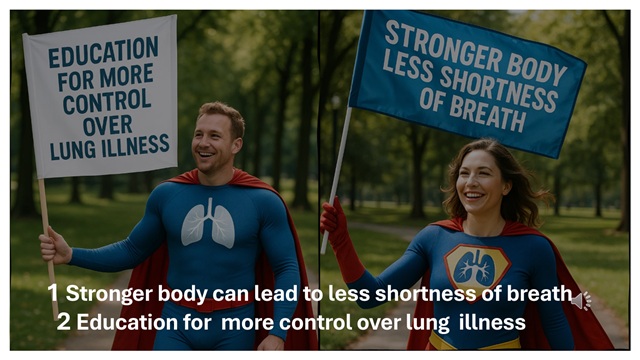
For many, the session changes how they understand shortness of breath. Instead of treating breathlessness as a danger sign, they watch others work through it safely. They see that controlled discomfort can lead to better strength, better breathing, and more independence. This reframing is powerful. It reduces panic and shows that improvement is possible.
Finally, an observation session respects patient choice. It offers information without pressure. That sense of control can reduce defensiveness. When patients are allowed to explore the program at their own pace, they often surprise themselves. What began as fear can shift into curiosity. Curiosity can turn into readiness.
Overall, an observation only visit creates a bridge between fear and participation. It builds trust, reduces anxiety, and shows that pulmonary rehabilitation is supportive, gentle, and designed for people who feel exactly the way the patient feels right now.
https://youtu.be/SBkUJe63mRw?si=q2_1xRyRjspCaM0G
© 2025. This work is openly licensed via 4.0 https://creativecommons.org/licenses/…

