IDEAS to Raise Awareness Pulmonary Rehabilitation Week June 15-19 2026

DEAS to Raise Awareness. for Pulmonary Rehabilitation Week 1 Have a poster about PR in pharmacies, with a QR code link to a PR video    • Pharmacy teams can help increase awareness…  

2 Invite your pharmacy teams to an online meeting & explain the benefits of PR have a patient who has completed PR with you.

3 Can your PR patients who have completed PR do an online Question and Answer session for potential refers

4 Add a QR code to your PR referral form link it to a video that explains the benefits of PR

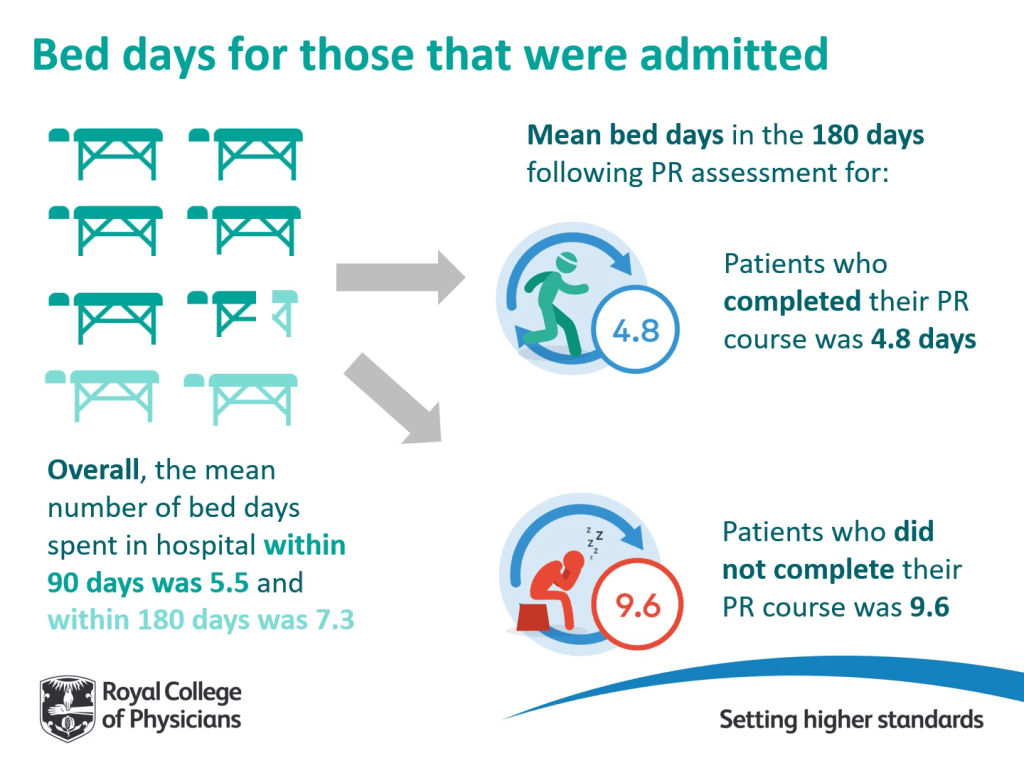
5 Arrange an online meeting with your local hospital discharge team to explain how PR can reduce the time patients spend in a hospital if they complete PR

6 Recruit patient volunteers who have completed PR to help advertise PR

7 Send a Press release to local media about PR, Press release drop box https://www.dropbox.com/scl/fi/qx933n…

8 PR patient champions in the media sharing their story about the benefits of PR.

9 Encourage patients to post a message on social media, about how PR helped them.

10 PR video of PR in GP surgeries.

11 Invite your local: Mayor, Councillors, MP, Chief Executive of health services, Integrated Care System, Health Service Board, HE Trust Board members, to open PR session

12 Live PR sessions on TV, Radio interview about PR, Produce a video about how PR benefits patients.

13 Activity challenges for staff and patients’ virtual walks, sit to stand, step challenges.

14 Invite your Respiratory Consultants to try a pulmonary rehab session.

15 Target the lowest refers or non refers to PR.

16 Prize giving ceremony for the top local referrer of patients who have completed PR. Reward and recognise excellence in PR referral    • Rewarding and recognising excellence in Pu…  

17 Invite your local social prescribes to try a pulmonary rehab exercise class

18 Invite potential refers to a weekly online meeting Zoom or Microsoft teams meeting explain the benefits of PR have a patient with you

19 Ask your local patients where you need to advertise PR

20 Can your patients who have completed PR do an online Question and Answer session for university pre-registration health care students, explaining how they benefited from PR.

21 Send this video link to healthcare lecturers and university course leaders . Jody Bryant Associate Professor GIVING STUDENTS A UNIQUE INSIGHT Pulmonary Rehab Awareness    • Jody Bryant Associate Professor GIVING STU…  

22 Set up a stall, carryout a meet and greet in the entrances to the following supermarkets, low referring GP surgeries, Hospital Restaurants, Hospitals Entrances. Respiratory departments, bingo halls, football stadiums, social services offices, social clubs 21 Invite healthcare professionals to try a PR class. . Respiratory consultants try pulmonary rehab exercise class so they can explain PR to patients better    • UHDB Consultants take part in Pulmonary Re…  

23 Invite to an online meeting, practice nurses, GP’s, lung transplant team, frailty team explain the benefits of PR, have a patient with you 23 Invite your local social workers & social prescribes to an online meeting explain the of PR. 24 Plan a local pulmonary rehab exercise flash mob

25 Low referrals offer observation only session to patients who would benefit from PR before they do the pre-PR exercise assessment.

26 Set up an online meeting explain the ability of PR to free up hospital bed space to your local 👉Hospital👉Health Board 👉 Integrated Care Board 👉Health Trust 👉 Hospital discharge Team, 👉HSE 👉 PR reduces time spent in a hospital bed by 4:8 days if completed

27 Organise a PR exercise flash mob    • Pulmonary Rehabilitation Exercise Flash Mo…  

28 Screen saver at the hospital about PR, with a QR code to your PR video

29 Design a PR patient information leaflet with your patients awareness of pulmonary rehabilitation

Follow and tag us on social media for more ideas

👉Tick Tock search pulmonaryrehab.a

👉 Instagram search prwukee https://www.instagram.com/prwukee?igs…

👉 Facebook search Pulmonary Rehab Awareness   / 17zozrxwu1  

👉 BlueSky search pulmonaryrehab.bluesky.social https://bsky.app/profile/pulmonaryreh…

👉 WordPress https://pulmonaryrehabilitationawaren…#pulmonaryrehabilitation#plumonaryrehab#31DaysofPRideas

The Beginning of Pulmonary Rehabilitation Week UK & All Ireland

Paul Mills and Elaine Smith


The Beginning of Pulmonary Rehabilitation Week UK & All Ireland

In 2016 ,Paul and Elaine mobilised an online brainstorm for colleagues across the UK and Ireland ,the focus to help groups of people struggling to catch their breath due to lung illness .

Pulmonary Rehabilitation Awareness would be the focus

Paul , involved in training patients’with respiratory diseases and Elaine, a dedicated nurse specializing in chronic lung conditions, had been working in the field for years. They had seen firsthand how pulmonary rehabilitation transformed lives—helping people with COPD, pulmonary fibrosis, and other respiratory diseases regain independence. But there was a problem.

Too many people didn’t know about it.

Despite its proven benefits, pulmonary rehab was underused, underfunded, and often misunderstood. Patients who could have benefited were missing out simply because they hadn’t been referred or didn’t realize such a program existed. Junior and Elaine were determined to change that.

A Movement Begins

Over countless late-night phone calls, they came up with an idea: Pulmonary Rehabilitation Week UK & All Ireland—a dedicated week to raise awareness, celebrate patient successes, and push for better access to rehab services.

They started small. With the help of colleagues, they organized local events, invited patients to share their stories, and reached out to media outlets. Social media became a powerful tool, with hashtags spreading the message far and wide. Soon, hospitals, clinics, and patient support groups across the UK and Ireland joined in.

Growing Awareness, Changing Lives

What began as a grassroots effort quickly gained momentum. By the second year, major respiratory organizations had joined the cause. Politicians took notice, leading to discussions about funding and accessibility. Patients who had never heard of pulmonary rehab before were now asking their doctors about it.

Today, Pulmonary Rehabilitation Week UK & All Ireland is an annual event, shining a light on the importance of rehabilitation for people with lung disease. Thanks to Paul and Elaine’s determination, thousands have found a path to better breathing and a better life.

And it all started with two people who refused to let patients struggle in silence.

In 2015, a comprehensive Cochrane review evaluated the effectiveness of pulmonary rehabilitation (PR) for individuals with chronic obstructive pulmonary disease (COPD). Analyzing 65 randomized controlled trials involving 3,822 participants, the review found that PR significantly improved health-related quality of life (HRQoL) and exercise capacity. Specifically, participants reported relief from dyspnea and fatigue, enhanced emotional well-being, and a greater sense of control ..

#pulmonaryrehabilitation

Hashtag #pulmonaryrehabweek26 or tag us on your social
Please follow our YouTube channel for more ideas

http://www.youtube.com/@pulmonaryrehabawareness

👉TickTock pulmonaryrehab.a
👉 Instagram prwukee
👉 Facebook Pulmonary Rehab Awareness
👉 Bluesky pulmonaryrehab

Pulmonary Rehabilitation Can lead to a Wonderful Life

Frank Capra’s 1946 film It’s a Wonderful Life offers a powerful way to think about how pulmonary rehabilitation can change lives. In the film, George Bailey learns that his presence and everyday actions have quietly shaped the well-being of others. Pulmonary rehabilitation works in a similar way. Its impact is often gradual and understated, but for many people living with chronic lung disease, it can prevent despair and restore a sense of possibility.

In It’s a Wonderful Life, the “sliding doors” moment arrives when George is shown what the world would look like if he had never existed. Without him, Bedford Falls becomes a harsher, more isolating place. This moment reveals how close George has been to losing hope without realizing the value of his life. For people with long-term breathlessness, a similar turning point often occurs before pulmonary rehabilitation. Shortness of breath can quietly shrink a person’s world. Activities are avoided, confidence fades, and life becomes defined by limits rather than choices.

Pulmonary rehabilitation represents the other side of the sliding door. Instead of continuing down a path of fear and restriction, patients are offered practical tools to manage breathlessness. Through guided exercise, education, and support, people learn that movement does not have to mean panic or danger. Over time, shortness of breath becomes more manageable, and the sense of constant struggle begins to ease.

Just as George Bailey underestimates his own strength, many patients underestimate what their bodies can still do. Pulmonary rehabilitation helps rebuild that trust. As muscles strengthen and breathing techniques improve, everyday tasks such as walking, climbing stairs, or spending time with family feel possible again. This physical change often brings emotional relief. Less breathlessness means less fear, less fatigue, and a renewed belief in one’s own capabilities.

The final scene of It’s a Wonderful Life, with the Bailey family and friends gathered in a joyful embrace, offers a fitting metaphor for the outcome of pulmonary rehabilitation. The embrace symbolizes connection, relief, and the return of hope. In the context of pulmonary rehabilitation, it reflects the renewed ability to take part in life with less shortness of breath. Patients are no longer watching from the side-lines. They are present, engaged, and included.

Like the film’s ending, pulmonary rehabilitation does not erase hardship. Lung disease remains, just as George’s financial troubles do not magically disappear. What changes is perspective and support. People are no longer facing their challenges alone. In both stories, hope emerges not from a dramatic rescue, but from steady guidance, shared effort, and the rediscovery of what makes life worth living.

Pulmonary Rehabilitation PR Observation Only Session for Patients Before Referral to PR

When someone lives with chronic shortness of breath, even the idea of joining a pulmonary rehabilitation program can spark fear. Many people worry they will not be able to keep up, that they will feel judged, or that exercise will make their breathing worse. An observation only session can lower those emotional barriers. It gives patients a chance to see what pulmonary rehabilitation really looks like before they commit. This single step often turns hesitation into confidence.

The first benefit is simple exposure. Fear grows in the unknown. When a patient walks into the rehab space without pressure to participate, they can look around, meet the staff, and watch how sessions work. This removes the mystery. Instead of imagining a room full of athletes doing impossible workouts, they see real people who struggle with breathing just like they do. They see slow pacing, rest breaks, and careful monitoring. This alone can calm a lot of anxiety.

An observation session also shows patients that the program is built for safety. Many people with lung disease fear that any increase in activity will trigger severe breathlessness. Watching a session helps them see the tools and support in place. Staff members monitor oxygen levels, adjust exercises when needed, and respond quickly to signs of distress. Patients see that shortness of breath is expected and managed, not ignored. This sense of safety can make the idea of participation feel far less threatening.

Another benefit is meeting the rehabilitation team in person. A warm greeting, a clear explanation, and a calm presence can build trust. When patients see that the team understands their symptoms and does not minimize their worries, they feel more comfortable. Rapport matters. It can shift the mindset from “I cannot do this” to “Maybe these people can help me.”

Observation also gives patients a chance to listen. They hear staff teach breathing techniques, energy saving strategies, and ways to handle panic during breathlessness. They watch other patients use pursed lip breathing to stay in control. They see people who once struggled now moving with more confidence. This makes the program feel practical instead of intimidating.

For many, the session changes how they understand shortness of breath. Instead of treating breathlessness as a danger sign, they watch others work through it safely. They see that controlled discomfort can lead to better strength, better breathing, and more independence. This reframing is powerful. It reduces panic and shows that improvement is possible.

Finally, an observation session respects patient choice. It offers information without pressure. That sense of control can reduce defensiveness. When patients are allowed to explore the program at their own pace, they often surprise themselves. What began as fear can shift into curiosity. Curiosity can turn into readiness.

Overall, an observation only visit creates a bridge between fear and participation. It builds trust, reduces anxiety, and shows that pulmonary rehabilitation is supportive, gentle, and designed for people who feel exactly the way the patient feels right now.

https://youtu.be/SBkUJe63mRw?si=q2_1xRyRjspCaM0G

© 2025. This work is openly licensed via 4.0 https://creativecommons.org/licenses/…

University Healthcare Students hear about Pulmonary Rehabilitation and the benefits from a Patient who completed Pulmonary Rehabilitation

Birmingham City University’s City Campus, . The School of Health Sciences was hosting its annual Open Day for Healthcare Students, where real-world stories would bring textbooks to life. Among the day’s highlights was a special guest: Jackie, a retired taxi driver and former patient who had completed pulmonary rehabilitation after years of struggling with chronic obstructive pulmonary disease (COPD).

Jackie had a warmth that filled the room before she even spoke. Her bright scarf, neatly styled hair, and confident stride defied every stereotype of a patient with advanced lung disease. She wasn’t there for sympathy—she was there to educate, empower, and inspire.

Over the course of three hours, Jackie shared her story with more than 200 university healthcare students, in rotating sessions held in the campus’s open learning zone. She recounted her journey from the days when getting out of bed left her gasping, to now—where she could walk through her local park, climb a flight of stairs, and even dance a little at family gatherings.

Before pulmonary rehab,” Jackie told the attentive students, “I thought my life was closing in. I was scared of moving, scared of breathlessness. But once I joined the program, I learned how to breathe again—properly. Efficiently. Confidently.

She broke it down for the students:

  • How aerobic training helped her walk further with less breathlessness.
  • How strength exercises enabled her to lift groceries and do chores.
  • How education sessions taught her about medications, managing flare-ups, and using energy wisely.
  • And how breathing techniques—like pursed-lip and diaphragmatic breathing—helped her regain control when panic threatened to take over.
  •  

The students were riveted—not just by the science, but by the humanity in her voice In the final session, a student nurse approached Jackie. His voice was quiet, but his words struck a chord.

My dad has COPD,” he said. “He just stays in the house now—he’s scared to do much. No one’s ever mentioned pulmonary rehab to us. But when I go home, I’m going to talk to his GP and ask for a referral.”

Jackie reached “That’s why I’m here,” she said. “If I can help even one family find the hope I found, then these years of breathlessness will have meant something.”

As the open day ended, Jackie stood at the exit, speaking with students, answering questions, offering leaflets about the pulmonary rehab program. Several students took notes; others took photos with her.

Paul Mills the cofounder of pulmonary rehabilitation awareness week, smiled as he watched Jackie engage with the crowd. “This,”, “is the kind of learning that no simulation lab can replicate.”

And so, on a university campus in the heart of Birmingham, a former patient became a teacher—her message carried not just by words, but by lungs that had once struggled for every breath and now spoke with strength, compassion, and purpose.

Pulmonary Rehabilitation Awareness Week June 15-19, 2026 #pulmonaryrehabweek26

Is this your new site? Log in to activate admin features and dismiss this message
Log In