Paul Mills and Elaine Smith
The Beginning of Pulmonary Rehabilitation Week UK & All Ireland
In 2016 ,Paul and Elaine mobilised an online brainstorm for colleagues across the UK and Ireland ,the focus to help groups of people struggling to catch their breath due to lung illness .
Pulmonary Rehabilitation Existence and Benefits would be the focus
Paul , involved in training patients’with respiratory diseases and Elaine, a dedicated nurse specializing in chronic lung conditions, had been working in the field for years. They had seen firsthand how pulmonary rehabilitation transformed lives—helping people with COPD, pulmonary fibrosis, and other respiratory diseases regain independence. But there was a problem.
Too many people didn’t know about it.
Despite its proven benefits, pulmonary rehab was underused, underfunded, and often misunderstood. Patients who could have benefited were missing out simply because they hadn’t been referred or didn’t realize such a program existed. Junior and Elaine were determined to change that.
A Movement Begins
Over countless late-night phone calls, they came up with an idea: Pulmonary Rehabilitation Week UK & All Ireland—a dedicated week to raise awareness, celebrate patient successes, and push for better access to rehab services.
They started small. With the help of colleagues, they organized local events, invited patients to share their stories, and reached out to media outlets. Social media became a powerful tool, with hashtags spreading the message far and wide. Soon, hospitals, clinics, and patient support groups across the UK and Ireland joined in.
Growing Awareness, Changing Lives
What began as a grassroots effort quickly gained momentum. By the second year, major respiratory organizations had joined the cause. Politicians took notice, leading to discussions about funding and accessibility. Patients who had never heard of pulmonary rehab before were now asking their doctors about it.
Today, Pulmonary Rehabilitation Week UK & All Ireland is an annual event, shining a light on the importance of rehabilitation for people with lung disease. Thanks to Paul and Elaine’s determination, thousands have found a path to better breathing and a better life.
And it all started with two people who refused to let patients struggle in silence.
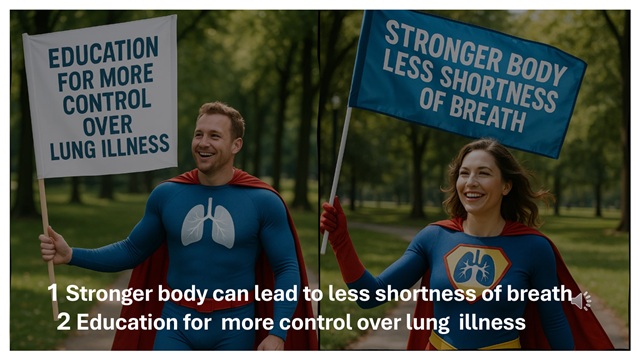
In 2015, a comprehensive Cochrane review evaluated the effectiveness of pulmonary rehabilitation (PR) for individuals with chronic obstructive pulmonary disease (COPD). Analyzing 65 randomized controlled trials involving 3,822 participants, the review found that PR significantly improved health-related quality of life (HRQoL) and exercise capacity. Specifically, participants reported relief from dyspnea and fatigue, enhanced emotional well-being, and a greater sense of control ..
#pulmonaryrehabilitation
Hashtag #pulmonaryrehabweek26 or tag us on your social
Please follow our YouTube channel for more ideas
http://www.youtube.com/@pulmonaryrehabawareness
👉TickTock pulmonaryrehab.a
👉 Instagram prwukee
👉 Facebook Pulmonary Rehab Awareness
👉 Bluesky pulmonaryrehab